When couples start planning a wedding, they typically book the venue first and the photographer second. It makes logistical sense. You cannot send save-the-dates without a date, and you cannot confirm a date without a venue.
But experienced wedding photographers will tell you the order of operations matters more than most couples realize. The venue is not just the backdrop for your photos. It is the primary determinant of what your photos are capable of being. A skilled photographer working in a mediocre setting will produce competent, forgettable images. A skilled photographer working in an exceptional setting will produce work that genuinely stops people mid-scroll.
Understanding what photographers look for, and why certain venues consistently produce better work, is one of the most underused tools couples have when choosing where to get married in Colorado Springs.
How Light Defines Every Photo Before the Photographer Arrives
Ask any experienced wedding photographer what the single most important element in their work is, and the answer will almost always be the same: light.
Not lenses. Not camera bodies. Not editing software. Light.
The quality, direction, and consistency of light at a venue on a wedding day determines more about the final images than any other factor. And light is almost entirely determined by setting.
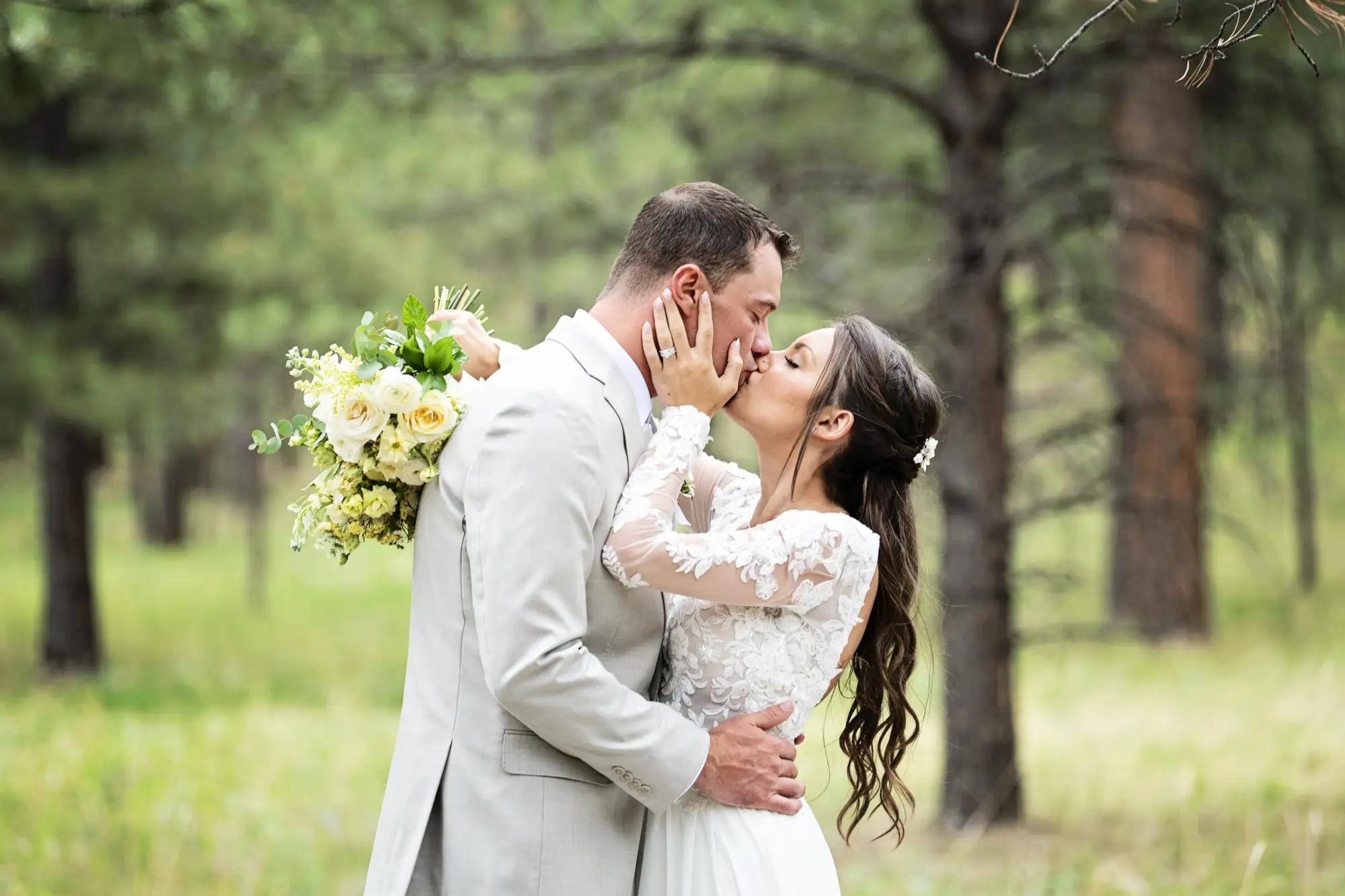
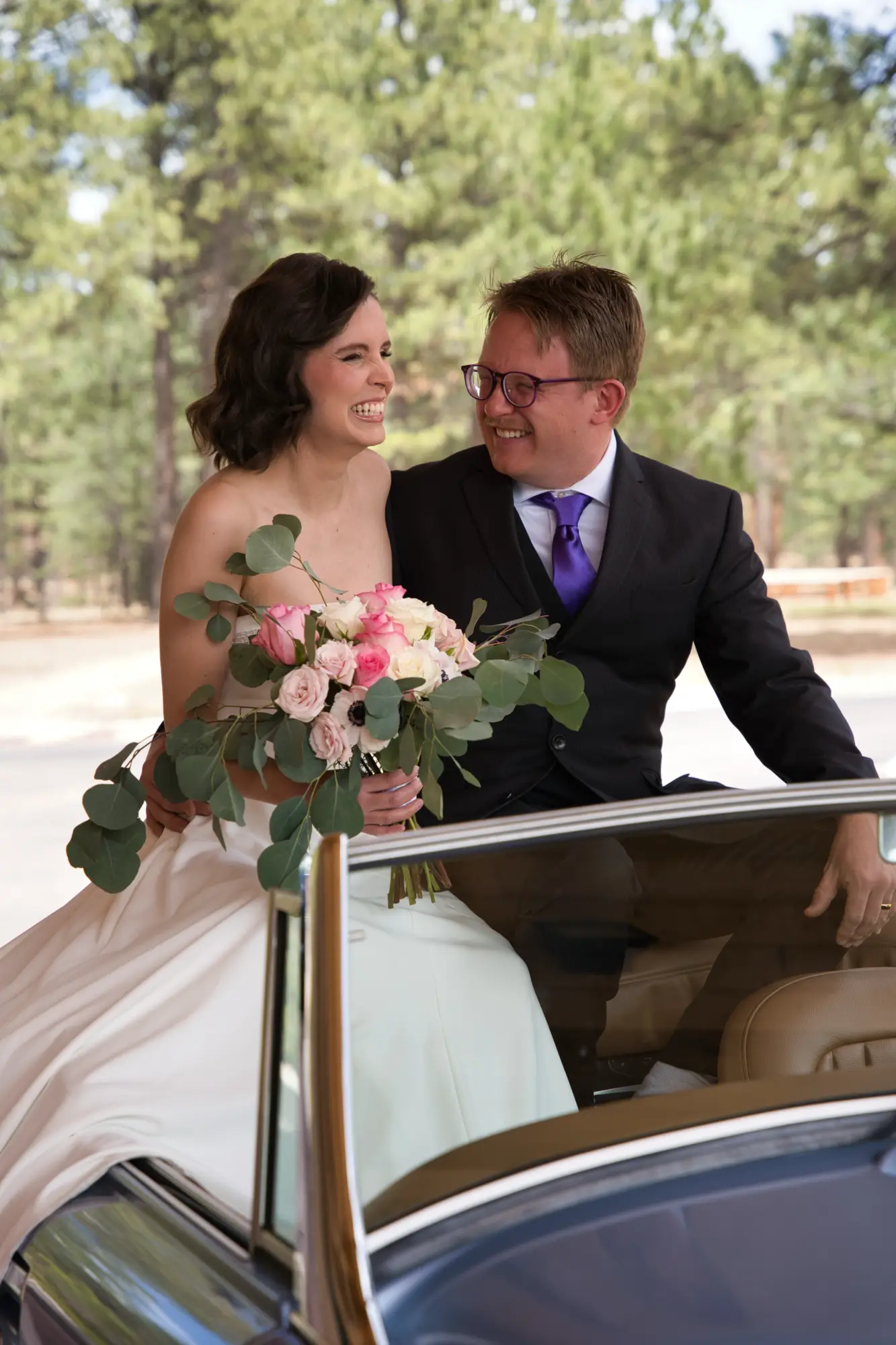
Venues surrounded by dense, mature trees like the ponderosa pine forest of Colorado’s Black Forest area produce what photographers call filtered light. Rather than the harsh, direct sun that creates blown-out highlights and deep shadows, the tree canopy scatters incoming light and distributes it evenly across subjects. The result is a warm, dimensional quality that makes skin tones look natural, details read clearly, and the overall image feel cinematic rather than flat.
This kind of light is essentially impossible to replicate artificially at the scale of a full wedding day. Photographers who have worked in forest settings versus open-sky venues describe the difference in workload alone: a forested venue requires far less intervention because the environment is doing the technical work for them. That freedom allows photographers to focus on moments rather than managing exposure problems.
For couples, the practical result is images that hold up across the entire day, from morning getting-ready shots to late afternoon portraits, without the harsh midday lighting problems that plague open venues in Colorado summers.
What Makes a Location Photographically Strong
Beyond light, experienced wedding photographers evaluate venues across several dimensions that couples rarely consider during tours. Working through these criteria helps explain why certain Colorado Springs venues appear in more professional portfolios than others.
Layered Backgrounds
Strong photographic backgrounds have depth. When a subject is positioned in front of a flat wall or an unbroken horizon, the resulting image is two-dimensional. When the background has layers, a row of trees at varying depths, a stream leading the eye back into the frame, a bridge with forest beyond it, the photograph takes on three-dimensional quality that feels more immersive and emotionally resonant.
Natural environments with varied topography and vegetation create layered backgrounds almost automatically. Every turn on an 11-acre forested property produces a new compositional possibility, which is why photographers actively seek venues with significant natural acreage rather than manicured but compact grounds.
Natural Framing Elements
The best portrait locations in any setting are ones that frame the subject rather than simply placing them in front of something. Archways, tree lines, bodies of water, structures like bridges and doorways, all of these create natural frames that draw the viewer’s eye directly to the couple and add context to the image simultaneously.
Venues with multiple distinct natural framing elements give photographers flexibility across a full wedding day. Rather than returning to the same two or three locations repeatedly, a photographer can move through genuinely different compositions throughout the event, ensuring the photo album reflects the full experience of the day rather than a series of variations on one or two scenes.
Variety Without Distance
One of the practical challenges in wedding photography is time. Photographers typically have a two to three hour window for portraits on a wedding day, often less, and traveling between locations eats into that time directly. A venue that compresses significant photographic variety into a walkable area is meaningfully more valuable than one that requires driving between locations.
Water features are particularly prized in this regard. A stream, a pond, and a waterfall within walking distance of a ceremony site give a photographer the equivalent of three distinct location types, intimate reflection shots near still water, movement and texture near running water, dramatic vertical compositions near a waterfall, without any transit time. That variety shows in the final work.
Separation of Indoor and Outdoor Spaces
Colorado weather is famously unpredictable, and photographers who work here regularly develop strong opinions about venues with well-designed indoor spaces. Not just functional indoor spaces, but ones that feel intentional rather than like fallback options.
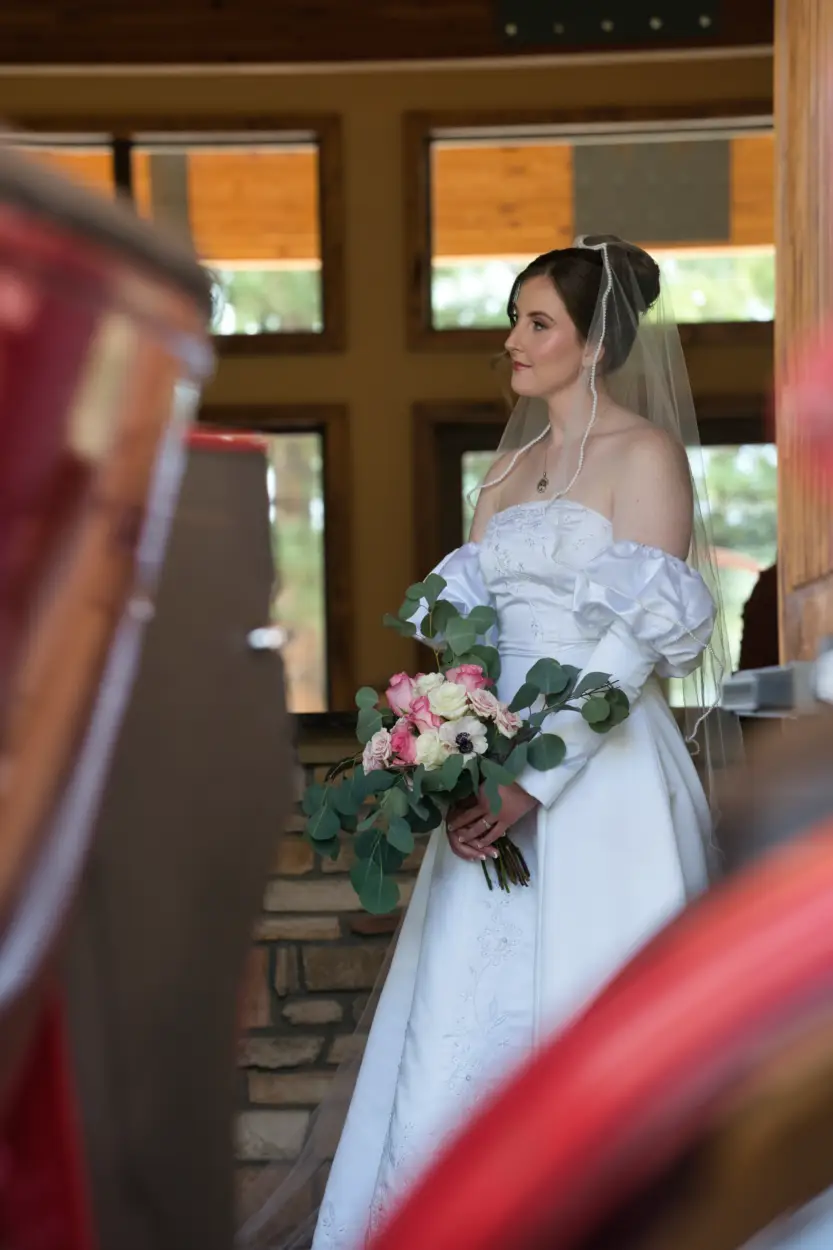
Venues where the indoor environment maintains the same aesthetic quality as the outdoor setting allow the story of the day to remain visually coherent even when conditions shift. Large windows that look out into the surrounding landscape, natural materials and warm lighting, a design that acknowledges its setting rather than ignoring it, these translate directly into indoor photographs that still feel like they belong to the same wedding as the outdoor images.
The Getting-Ready Window: Where Many Albums Are Won or Lost
Wedding photographers often say that the most under-appreciated photographic opportunity of any wedding day is the getting-ready window. The two to three hours before a ceremony, when the wedding party is preparing, dressing, sharing quiet moments, and managing last-minute nerves, contain some of the most emotionally authentic moments of the entire day.
The quality of photos from this window depends heavily on two things: natural light and space.
Getting-ready spaces with large windows producing generous, directional natural light allow photographers to shoot without flash in environments where flash would feel intrusive and artificial. Space that allows a photographer to move back far enough to frame a full-length shot without backing into furniture or a wall is equally important.
Dedicated bridal and groom suites at a venue, designed with this in mind rather than converted spare rooms, produce consistently better getting-ready photography. The difference between images from a well-appointed private suite with good natural light and images from a hotel bathroom shows immediately in the work.
Why Photographers Recommend Certain Venues to Their Clients
Wedding photographers accumulate strong venue opinions quickly. After working a venue once or twice, a photographer knows whether the light works, whether the grounds offer compositional variety, whether the logistics make the day easier or harder, and whether the images it produces are ones they are proud to put in their portfolio.
This is why the relationship between photographers and venues matters to couples in a very practical way. Photographers who love working at a particular venue recommend it to clients who ask for suggestions. They shoot there repeatedly and develop an intimate knowledge of its best light times, its most productive locations at different seasons, and the shots that the setting makes uniquely possible. That familiarity translates directly into a better client experience and better photos.
In Colorado Springs, the Black Forest area has developed a strong following among wedding photographers precisely because of the photographic qualities of the setting. The density and maturity of the pine forest, the presence of natural water features, the warm filtered light, and the distinctly Colorado atmosphere that reads immediately in photographs make it a setting photographers actively want to work in.
The Practical Side: What to Discuss with Your Photographer Before Booking a Venue
If you are currently in the process of looking for a wedding venue in Colorado Springs and have not yet booked a photographer, a few questions are worth adding to your venue tour checklist:
- What time does the best light hit the outdoor ceremony site? This affects your ceremony start time more than most couples realize.
- Is there a photography page or gallery on the venue’s website? Venues that invest in showcasing their grounds photographically understand and value the photography experience. The gallery also gives you a realistic preview of what your photos could look like.
- Are there restrictions on where photographers can set up or move during the ceremony? Some venues have significant limitations that constrain photographers without being disclosed upfront.
- How much time is typically allocated between ceremony and reception for portraits? Sixty minutes is the minimum for a thorough portrait session. Ninety minutes gives a photographer genuine creative range.
- What is the backup plan if weather moves the ceremony indoors, and how does that space photograph? Ask to see photos taken in the indoor space, not just renderings or venue-provided images.
If you have already booked a photographer, share your venue shortlist with them before you sign. Most photographers will have direct opinions about venues they have worked, and their input is worth weighing.
The Lodge at Cathedral Pines
The Lodge at Cathedral Pines, located at 13977 Milam Rd in the Black Forest area of Colorado Springs, is a venue that comes up frequently in conversations between experienced Colorado Springs photographers and their clients. The 11-acre property includes ponds, a wooden bridge, a stream, a waterfall feature, and towering ponderosa pines that produce the kind of filtered light that photographers plan entire days around.
The outdoor ceremony site is framed by the forest canopy with a dedicated wedding arch and open areas that accommodate both intimate gatherings and larger celebrations. Private bride and groom suites are designed for the getting-ready window, with the natural light and space that make documentary-style preparation photography possible. The indoor Lodge features large framed windows looking out into the surrounding pines, a stone fireplace, and a warm interior that holds the same visual character as the grounds in all-weather scenarios.
For couples planning a Colorado Springs wedding who want to understand the full photographic potential of a venue before committing, we invite you to tour the Lodge in person. The setting is one that reads differently on a walk-through than it does in listing photos, and that firsthand impression is usually what turns a shortlisted venue into a booked one.
To schedule a tour, pleaseContact Us.